

Why Lifestyle Is Causing Liver Failure: A Surgeon’s Reality Check
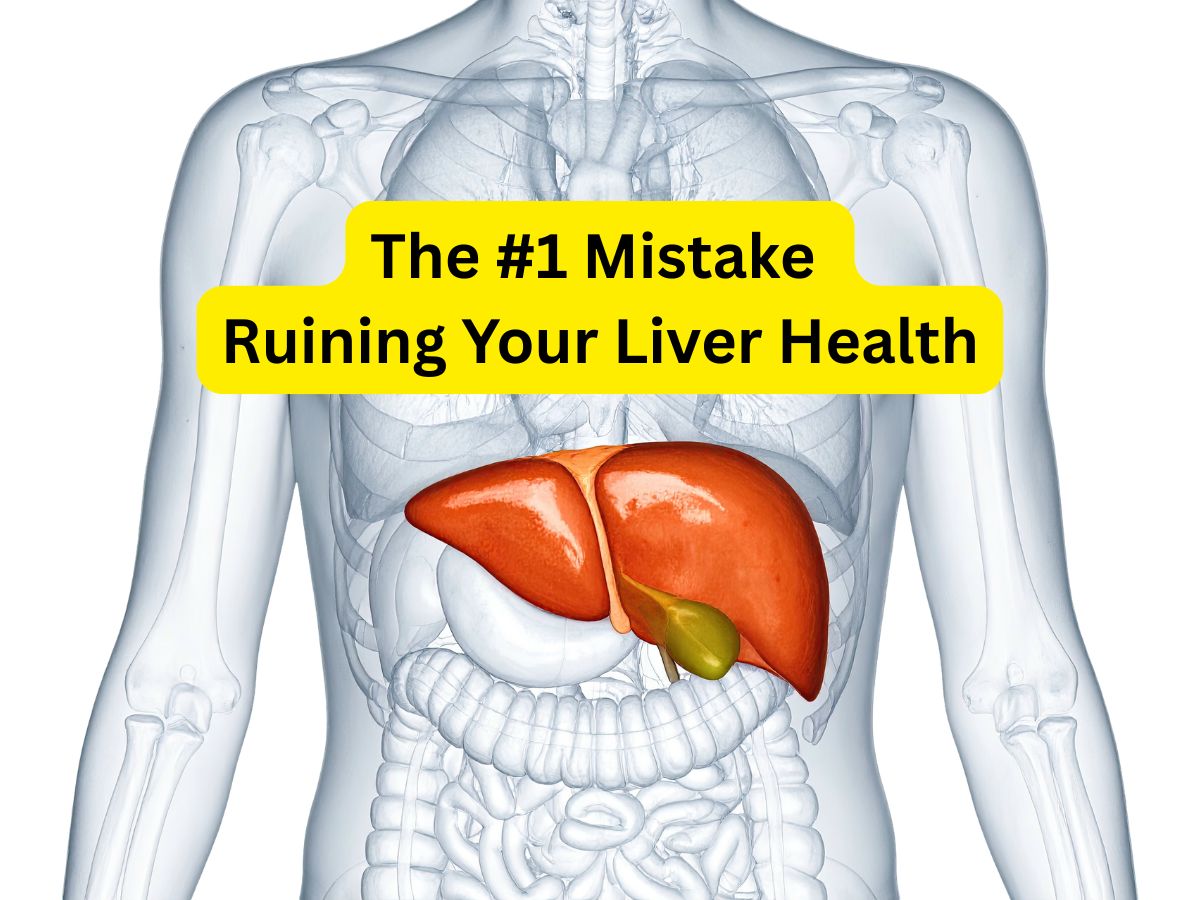
Protecting Your Liver: Returning to Basics to Prevent Silent Liver Disease
In a clinical reflection, HPB and liver transplant surgeon Dr. Basant Mahadevappa highlighted a troubling trend: an exponential rise in patients presenting with advanced liver disease requiring surgical procedures
The Growing Burden of Preventable Liver Disease
According to data from the World Health Organization (WHO) and the Centers for Disease Control and Prevention (CDC), chronic liver conditions, predominantly cirrhosis, liver failure, and hepatocellular carcinoma, represent major global causes of morbidity and mortality.
The liver performs over 500 vital metabolic, detoxifying, and synthesis functions. However, it often sustains injury quietly. Early stages of chronic liver damage rarely show clear symptoms until significant fibrosis or irreversible scarring (cirrhosis) has developed. The surge in chronic liver disease is largely driven by three manageable factors:
- Metabolic Dysfunction-Associated Steatotic Liver Disease (MASLD / NAFLD): Linked closely with sedentary lifestyles, ultra-processed food consumption, visceral obesity, and type 2 diabetes. As fat accumulates in liver cells, it triggers inflammation (steatohepatitis) and progressive scarring.
- Alcohol-Associated Liver Disease (ALD): Chronic or binge alcohol consumption causes persistent cellular stress, oxidative injury, and progressive necrosis in liver tissue.
- Chronic Viral Hepatitis: Primarily Hepatitis B and Hepatitis C, which silently destroy liver architecture over decades if left undetected.
Why "Going Back to the Basics" Works?
As Dr. Mahadevappa emphasized, protecting the liver does not require extreme measures; it requires consistency in basic, everyday habits
- Nutrient-Dense, Unprocessed Nutrition: Adopting whole-food dietary patterns, such as the Mediterranean diet, significantly lowers hepatic fat and systemic inflammation. The CDC and WHO recommend limiting sugar-sweetened beverages, refined carbohydrates, and saturated fats, which contribute directly to hepatic insulin resistance.
- Routine Physical Activity: The WHO recommends at least 150–300 minutes of moderate-intensity aerobic exercise per week. Regular physical activity reduces liver triglycerides and improves insulin sensitivity, independent of total weight loss.
- Limiting or Eliminating Alcohol: For individuals with metabolic risks, elevated liver enzymes, or pre-existing hepatic inflammation, total abstinence or strict limitation is essential to prevent rapid fibrosis progression.
- Screening and Vaccination: Chronic Hepatitis B is preventable via vaccination, and Hepatitis C is curable with direct-acting antivirals. The CDC recommends universal adult screening at least once for Hepatitis C and routine risk-based Hepatitis B evaluation.
- Judicious Medication and Supplement Use: Over-the-counter painkillers (such as paracetamol/acetaminophen in high doses), non-prescribed herbal supplements, and unregulated health tonics can cause drug-induced liver injury (DILI) when taken indiscriminately
What you must do?
If you have risk factors—such as a sedentary routine, diabetes, excess weight, or a family history of liver disorders—ask your primary physician about routine liver function tests (LFTs) and an abdominal ultrasound or elastography screening. Educating families and younger generations on balanced diets, daily physical movement, and routine checkups remains the most effective defense against end-stage liver disease